Physiological Acclimatization

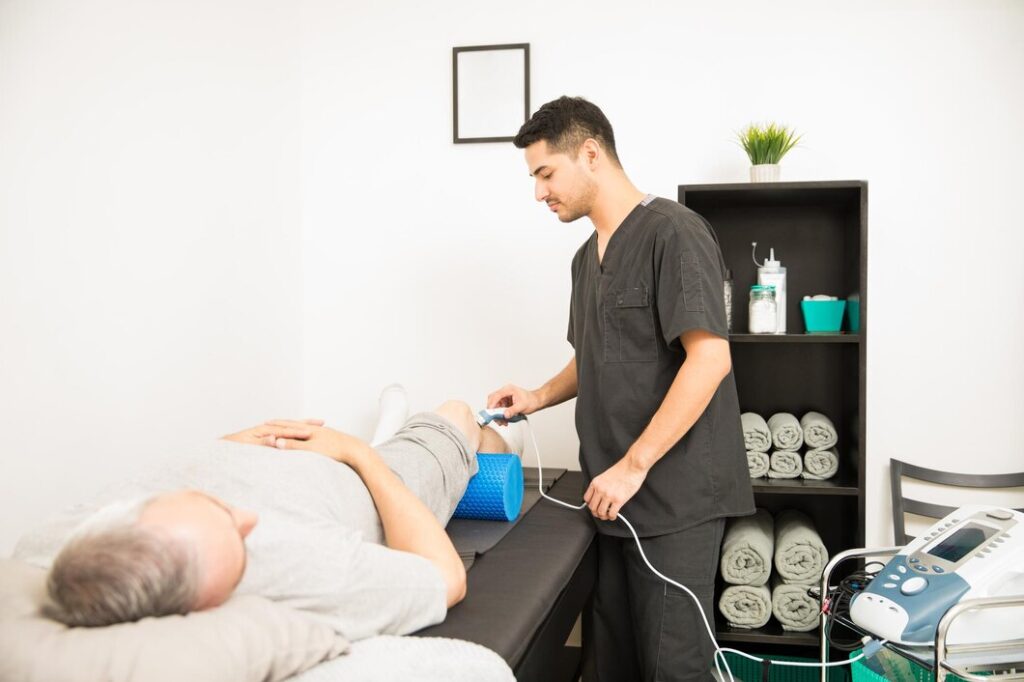
Physiological acclimatization refers to the natural process by which the human body adjusts to changes in its environment over time. These changes may include variations in temperature, altitude, humidity, physical workload, or oxygen availability. Through acclimatization, the body improves its ability to function efficiently and safely under new or challenging conditions, reducing the risk of illness, injury, or performance decline.
This adaptive capability is essential for athletes, outdoor workers, travelers, patients undergoing rehabilitation, and anyone exposed to environmental or physical stressors.
Understanding Physiological Acclimatization
When the body encounters a new environment—such as high heat, cold weather, or high altitude—it initially experiences stress. Physiological systems respond by activating short-term protective mechanisms. With repeated or prolonged exposure, these temporary responses evolve into more stable adaptations. This process is known as acclimatization.
Unlike genetic adaptation, acclimatization is reversible and depends on continued exposure. If the stressor is removed, the body gradually returns to its baseline state.
Types of Physiological Acclimatization
1. Heat Acclimatization
Heat acclimatization occurs when the body adapts to hot environments. This is common in athletes, outdoor workers, and individuals living in warm climates.
Key adaptations include:
Increased sweat rate and earlier onset of sweating
Improved thermoregulation
Reduced heart rate during exercise
Better fluid and electrolyte balance
Lower core body temperature during activity
These changes help prevent heat exhaustion and heat stroke while improving endurance and comfort.
2. Cold Acclimatization
Cold environments challenge the body’s ability to maintain core temperature. Cold acclimatization improves tolerance to low temperatures.
Physiological responses include:
Improved circulation to extremities
Enhanced metabolic heat production
Reduced shivering response over time
Better insulation through vascular adaptations
This type of acclimatization is important for individuals exposed to cold climates, water sports, or occupational cold exposure.
3. Altitude Acclimatization
At high altitudes, oxygen availability is reduced. Altitude acclimatization allows the body to function efficiently with less oxygen.
Key adaptations include:
Increased breathing rate
Higher red blood cell production
Improved oxygen delivery to tissues
Enhanced muscular efficiency
Proper altitude acclimatization reduces the risk of altitude sickness and improves physical performance in mountainous regions.
4. Exercise and Physical Load Acclimatization
The body also acclimatizes to increased physical demands, such as new exercise routines or occupational workloads.
Adaptations include:
Increased muscular strength and endurance
Improved cardiovascular efficiency
Enhanced coordination and motor control
Reduced fatigue and injury risk
This form of acclimatization is central to rehabilitation, sports training, and functional recovery.
Mechanisms Behind Acclimatization
Physiological acclimatization involves multiple body systems working together:
Cardiovascular system: Improves blood flow, heart efficiency, and oxygen delivery
Respiratory system: Enhances ventilation and gas exchange
Muscular system: Becomes more efficient and fatigue-resistant
Nervous system: Improves coordination and stress response
Endocrine system: Regulates hormones related to hydration, metabolism, and stress
These changes collectively improve tolerance and performance under environmental stress.
Importance of Gradual Exposure
Acclimatization requires time and progressive exposure. Sudden or excessive exposure can overwhelm the body and lead to injury or illness. Gradual adaptation allows the body to adjust safely and effectively.
Key principles include:
Progressive intensity and duration
Adequate rest and recovery
Proper hydration and nutrition
Monitoring symptoms and fatigue
This approach is especially important in rehabilitation and sports conditioning programs.
Role of Physiotherapy in Acclimatization
Physiotherapy plays a vital role in supporting physiological acclimatization, particularly in individuals recovering from injury, illness, or prolonged inactivity.
Physiotherapists help by:
Designing graded exercise programs
Monitoring physiological responses
Improving cardiovascular and muscular endurance
Enhancing flexibility and joint mobility
Educating patients on safe activity progression
Through structured rehabilitation, patients can safely adapt to increased physical demands and environmental stress.
Acclimatization and Injury Prevention
Failure to acclimatize properly can increase the risk of:
Heat-related illnesses
Muscle strains and fatigue injuries
Cardiovascular overload
Reduced performance and delayed recovery
Proper acclimatization helps the body manage stress efficiently, reducing injury risk and promoting long-term health.
Acclimatization in Daily Life
Physiological acclimatization is not limited to extreme environments. It also occurs in everyday situations, such as:
Starting a new fitness routine
Returning to work after illness
Adjusting to a physically demanding job
Adapting to seasonal climate changes
Understanding and respecting this process allows individuals to stay active, healthy, and resilient.
Signs of Successful Acclimatization
Positive indicators include:
Reduced fatigue during activity
Improved tolerance to heat, cold, or exercise
Stable heart rate and breathing patterns
Better energy levels and recovery
Increased confidence in movement
These signs show that the body is adapting effectively.
When Acclimatization Needs Support
Some individuals may struggle to acclimatize due to age, medical conditions, previous injuries, or prolonged inactivity. Professional guidance is recommended if there is:
Persistent fatigue
Dizziness or breathlessness
Pain during activity
Delayed recovery
Targeted physiotherapy and supervised conditioning can significantly improve adaptation and safety.
Conclusion
Physiological acclimatization is a powerful and essential process that allows the body to adapt to environmental and physical challenges. Whether dealing with climate changes, altitude exposure, increased physical demands, or rehabilitation, proper acclimatization supports performance, safety, and long-term wellbeing.
Through gradual exposure, professional guidance, and consistent care, the body can adapt effectively—helping individuals move confidently, perform better, and live healthier lives.