Joint Mobilization
Joint Mobilization – Effective Physiotherapy for Joint Pain & Stiffness
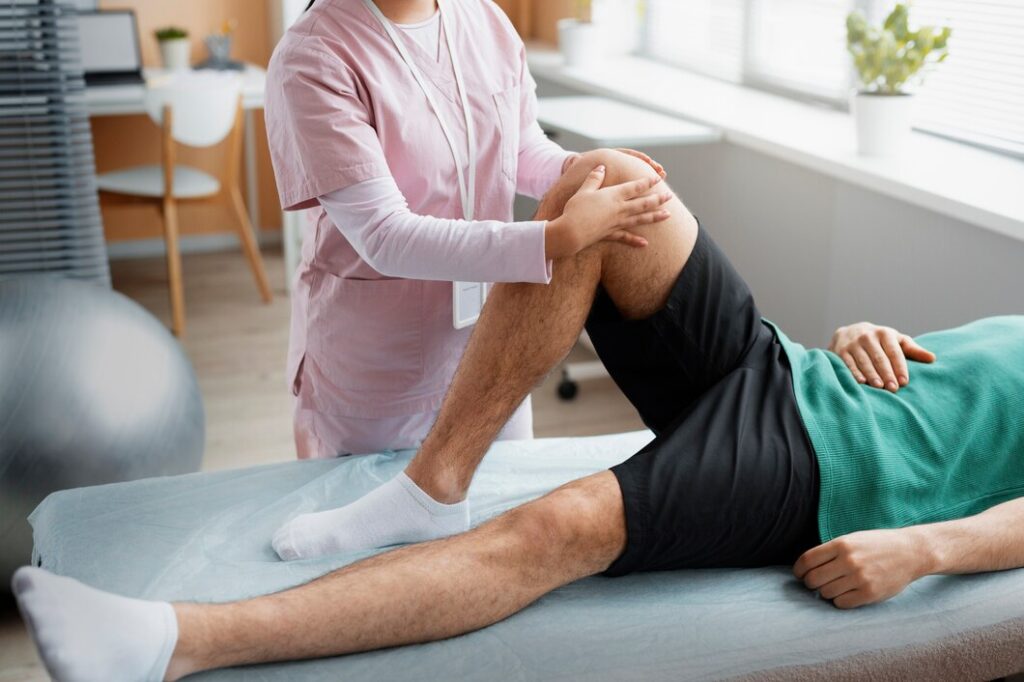
Joint Mobilization is a specialized manual therapy technique used in physiotherapy to reduce joint pain, stiffness, and restricted movement. It involves gentle, controlled movements applied to specific joints to restore normal mobility and improve overall function. Joint Mobilization is a specialized manual therapy technique used in physiotherapy to improve the function and mobility of joints. It involves the application of controlled, passive movements to a joint in order to restore its normal range of motion, reduce pain, and enhance overall musculoskeletal function. Joint mobilization is commonly used for patients with conditions such as arthritis, post-injury stiffness, frozen shoulder, back and neck pain, sports injuries, and post-surgical rehabilitation. The main goal of joint mobilization is to address limitations in joint movement caused by soft tissue tightness, muscle imbalances, postural dysfunction, or structural changes within the joint itself. When joints become stiff or restricted, surrounding muscles and ligaments may also tighten, leading to pain, reduced flexibility, and impaired function. By gently mobilizing the joint, physiotherapists can restore normal biomechanics, reduce stress on the tissues, and improve overall movement efficiency. Joint mobilization techniques are classified into different grades based on the intensity and range of movement applied. Low-grade mobilizations (Grades I and II) involve small, gentle movements and are primarily used to reduce pain and improve circulation around the joint. High-grade mobilizations (Grades III and IV) involve larger, more forceful movements aimed at stretching the joint capsule and increasing range of motion. The physiotherapist carefully selects the appropriate grade depending on the patient’s condition, pain level, and therapeutic goals. One of the key benefits of joint mobilization is pain relief. Restricted joints can irritate surrounding nerves, compress tissues, and create abnormal stress on muscles and ligaments. Gentle mobilization helps to decrease nerve irritation, reduce muscle tension, and promote the release of natural pain-relieving chemicals in the body. This makes it an effective treatment for chronic joint pain, postural discomfort, and sports-related injuries.

What is Joint Mobilization?
Joint Mobilization is a hands-on treatment where a trained physiotherapist applies graded, rhythmic movements to a joint. These movements help improve joint flexibility, reduce pain, increase range of motion, and support natural healing—without surgery or medication.
Benefits of Joint Mobilization
-
Relieves joint pain & stiffness
-
Improves range of motion
-
Enhances joint nutrition & circulation
-
Reduces muscle guarding & spasm
-
Improves posture & functional movement
-
Supports faster rehabilitation
Another significant advantage is improved joint mobility and function. By restoring normal movement patterns, joint mobilization allows patients to regain strength, coordination, and flexibility. This is particularly important for individuals recovering from injury, surgery, or conditions like osteoarthritis, where joint stiffness limits daily activities and overall quality of life. Joint mobilization also supports tissue healing and overall musculoskeletal health. Improved joint motion increases blood flow and nutrient delivery to surrounding tissues, accelerates waste removal, and reduces inflammation. When combined with exercises, posture correction, and strength training, joint mobilization provides long-term benefits and helps prevent future injuries. In conclusion, joint mobilization is a safe, effective, and versatile physiotherapy technique that addresses pain, stiffness, and movement limitations. By applying targeted, controlled movements to restricted joints, physiotherapists can help patients restore normal function, enhance mobility, and improve their overall quality of life.
Conditions Treated with Joint Mobilization
Neck pain & cervical spondylosis
Back pain & lumbar stiffness
Shoulder pain & frozen shoulder
Knee pain & arthritis
Ankle & wrist stiffness
Sports & overuse injuries
Post-surgical joint stiffness
Types of Joint Mobilization
Grade I–II Mobilization – Pain relief
Grade III–IV Mobilization – Mobility improvement
Passive Joint Mobilization
Accessory Joint Mobilization

Why Choose Joint Mobilization?
-
 Non-invasive & drug-free
 -
Safe and evidence-based
-
Personalized treatment approach
-
Performed by expert physiotherapists
Is Joint Mobilization Safe?
Yes. Joint Mobilization is safe when performed by qualified physiotherapists. The technique and intensity are selected based on the patient’s condition, age, and comfort level.